


A sleep-aid shelf, if you stand in front of it long enough, starts looking like one long blur of packaging. Melatonin here, herbal blends there, antihistamine tablets next to them, and now cannabinoid gummies crowding in too, every single one promising more or less the same thing.
None of them actually work the same way, and that’s not something the box is going to tell you.
Most people shopping for best thc gummies for sleep figure they’re just picking a stronger or weaker version of the same product. What they’re really picking is a different mechanism altogether, not a bigger dose of something they already know.
What Melatonin and Antihistamines Are Actually Doing
Melatonin’s whole job is nudging your internal clock, basically telling your brain it’s nighttime already. That’s genuinely useful if your schedule has gotten thrown off somehow, though people often expect it to knock them out, and it was never really built to do that.
Antihistamine-based sleep aids come from a completely different angle. The drowsiness they cause is a side effect of blocking histamine, not something the product was designed around, which probably explains why so many people wake up groggy and blame the pill.
Then there’s the herbal category, valerian, chamomile, that whole shelf of gentler options. Mild, slow to kick in, and honestly kind of a coin flip depending on the person, sometimes even a coin flip for the same person on different nights.
Where THC Changes the Equation
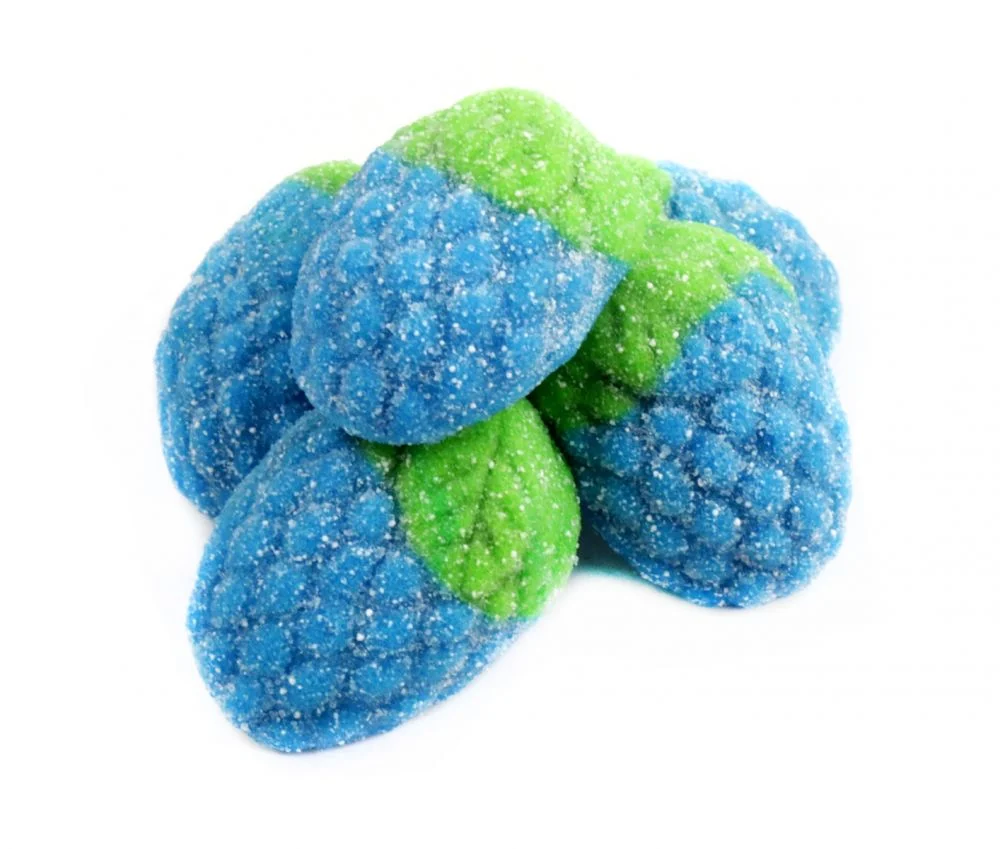
THC works through the body’s endocannabinoid system, and that system has a hand in relaxation, pain perception, and how quickly someone’s mind actually settles down before bed. It’s a completely separate pathway from melatonin resetting a clock or an antihistamine causing drowsiness as a side note.
The middle placement of best thc gummies for sleep belongs right here, because the comparison only really lands once the mechanism itself is out in the open.
Why Duration Ends Up Mattering More Than Speed
A tablet that puts someone out fast but stops working by 3 a.m. is really just solving the wrong half of the problem for a lot of people, since falling asleep was rarely the hard part to begin with. Staying asleep usually is.
Because edibles metabolize gradually, that slower curve tends to be exactly why people who keep waking up through the night end up preferring gummies over the faster options, even with a wait beforehand that not everyone fully gets used to.
Matching the Aid to the Actual Sleep Problem
None of this makes any one option better across the board. It just means they’re suited to different problems, and that’s a different thing entirely from ranking them.
Someone dealing with jet lag or a shifted schedule isn’t really who a THC gummy was built for. But someone who falls asleep just fine and then wakes up three separate times a night might find that slower, longer curve is exactly the piece they didn’t realize was missing. A shelf full of similar-looking products stops feeling so identical the moment you actually understand what each one is doing once it’s in your system.

